MGO Board and Drywall Are Not the Same Material — Here's Why It Matters
Magnesium oxide (MGO) board and traditional gypsum drywall are both flat, panel-based wall materials — but they are built from fundamentally different chemistries and perform in dramatically different ways. Gypsum drywall, introduced widely in the mid-20th century, is composed of calcium sulfate dihydrate pressed between two paper facings. MGO board, by contrast, is made from magnesium oxide and magnesium chloride, reinforced with fiberglass mesh and sometimes perlite or sawdust fill. The result is a product with a completely different density, porosity, and structural response to heat, water, and impact.
That distinction matters because most construction professionals default to drywall simply out of familiarity. In environments where moisture, fire, mold, or structural durability are real concerns — not just code minimums — the default choice may be the wrong one. This comparison is designed to cut through surface-level claims and give you an evidence-based framework for deciding which material actually fits your project conditions.
Fire Resistance: How Each Material Behaves Under Extreme Heat
Fire rating is one of the first technical specifications builders check, and this is where MGO board holds a clear structural advantage. Standard 5/8-inch Type X gypsum drywall achieves a one-hour fire rating through a combination of its core thickness and the addition of glass fibers that slow combustion. However, gypsum begins releasing chemically bound water at around 80°C and loses structural integrity progressively as temperature climbs.
MGO board, by contrast, is inherently non-combustible. It contains no organic binders or cellulose-based paper facing, which means it does not contribute to flame spread. Testing under ASTM E136 (Standard Test Method for Behavior of Materials in a Vertical Tube Furnace) consistently shows MGO board achieving zero flame spread and zero smoke development indexes. Depending on thickness and product formulation, MGO panels can sustain a two-to-four-hour fire rating — exceeding what most Type X drywall assemblies can achieve.
For commercial construction, stairwells, elevator shafts, and high-rise corridors where IBC fire codes require extended ratings, MGO board provides a meaningful margin of safety that standard drywall cannot match without additional protective layers or assemblies.
Moisture and Mold Resistance: The Critical Difference in Wet Environments
Traditional gypsum drywall is inherently porous and hydrophilic. When exposed to sustained humidity or direct water contact, the gypsum core absorbs moisture, swells, and — more critically — the paper facing becomes a breeding surface for mold colonies. Mold can begin growing on wet drywall within 24 to 48 hours under the right temperature conditions. This makes standard drywall a poor choice for bathrooms, basements, exterior walls in humid climates, or any space prone to flooding or condensation.
Moisture-resistant ("green board") and mold-resistant ("purple board") drywall variants exist, but they offer incremental improvements rather than true waterproofing. Green board, for instance, uses a moisture-resistant paper facing and treated core — but it is not rated for direct water exposure and will still fail in consistently wet environments.
MGO board contains no organic materials that mold can consume as a food source. Its inorganic mineral matrix does not absorb water the same way gypsum does, and it does not swell or delaminate under high humidity. ASTM D3273 testing — which evaluates mold resistance in controlled humid environments over 4 weeks — consistently rates MGO board at a score of 10 out of 10, indicating zero mold growth. For below-grade installations, coastal projects, tropical climates, or any application where moisture management is non-negotiable, MGO board is the technically superior substrate.
Structural Strength and Impact Resistance Compared
Gypsum drywall is relatively brittle. A hard impact — a door handle, a moving cart in a commercial corridor, or a sharp object — can easily dent or punch through standard 1/2-inch or 5/8-inch panels. This is why high-traffic commercial installations often specify impact-resistant drywall (typically Type C or specialty formulations), or add fiberglass mat facings.
MGO board is significantly denser and harder. Its bending strength and surface hardness are measurably higher — most commercial-grade MGO panels exhibit a modulus of rupture (MOR) in the range of 10–18 MPa, compared to roughly 2–4 MPa for standard gypsum wallboard. In practice, this translates to panels that resist denting, cracking, and surface abrasion far more effectively in high-traffic or demanding-use environments.
MGO board is also dimensionally stable under thermal cycling. Gypsum drywall can experience minor expansion and contraction with temperature changes, contributing to joint cracking over time in assemblies with large temperature swings — such as unconditioned garages or partially heated commercial spaces. MGO board's tighter thermal expansion coefficient reduces this risk.
That said, strength comes with a weight trade-off. MGO board panels are meaningfully heavier than equivalent gypsum panels — a factor that affects handling, fastener selection, and structural load calculations, particularly in ceiling applications.
Side-by-Side Performance Comparison
| Performance Category |
Standard Gypsum Drywall |
MGO Board |
| Fire Rating (typical) |
1 hour (Type X, 5/8") |
2–4 hours |
| Flame Spread Index |
15–25 |
0 |
| Mold Resistance (ASTM D3273) |
0–7 (standard); 10 (purple board) |
10 / 10 |
| Impact Resistance |
Low–Moderate |
High |
| Moisture Absorption |
High |
Very Low |
| Weight (approx. per panel) |
Lighter |
20–40% heavier |
| Material Cost |
Lower |
Higher (1.5–3× gypsum) |
| Workability / Finishing |
Easy (tape, mud, paint) |
Requires specific prep; can be painted or tiled |
| Availability |
Universally available |
Specialty suppliers; growing availability |
Table 1: Direct performance comparison between MGO board and standard gypsum drywall across key building criteria.
Cost Analysis: Material Price vs. Total Project Cost
On a raw material basis, MGO board is more expensive than gypsum drywall. Depending on the product grade, thickness, and supplier, MGO board typically costs 1.5 to 3 times more per square foot than equivalent gypsum panels. This gap is real and cannot be ignored in budget-sensitive projects.
However, a true cost comparison needs to account for total lifecycle cost, not just material purchase price. Consider:
- Mold remediation costs: Replacing water-damaged gypsum drywall in a bathroom or basement can run $1,500–$5,000+ per room, depending on the extent of mold contamination. MGO board essentially eliminates this risk.
- Reduced assembly complexity: In applications where you would otherwise stack Type X drywall in double layers to achieve a two-hour fire rating, a single layer of MGO board may accomplish the same rating — reducing both labor and total material volume.
- Durability in commercial settings: In high-traffic corridors, clinics, schools, and hospitality environments, MGO board's impact resistance can significantly reduce wall repair and repainting frequency over a building's lifecycle.
- Finishing costs: MGO board does require a primer coat or skim coat before painting to seal the surface, adding a step versus standard drywall finishing. Factor this into labor estimates.
The bottom line: for standard interior residential walls in climate-controlled environments with no special fire, moisture, or durability requirements, gypsum drywall remains the cost-effective default. For everything else — wet areas, fire-rated assemblies, high-traffic commercial spaces, or demanding climates — MGO board's total value proposition is often more favorable than the material price difference suggests.
Installation Differences and What They Mean for Your Crew
From a workflow perspective, MGO board and drywall share some fundamental similarities: both are panel-based, cut with scoring tools or circular saws, and fastened with screws into framing. But there are meaningful installation differences your team needs to anticipate.
Cutting and Dust
MGO board generates a fine, alkaline dust when cut. Workers should wear appropriate respiratory protection (N95 or better), and the dust should be kept away from eyes and skin. Power cutting with a circular saw is effective but produces significantly more airborne particles than scoring and snapping gypsum drywall. Some contractors prefer wet cutting for interior applications.
Fastening
MGO board is harder and denser than gypsum. Use corrosion-resistant screws (the magnesium chloride content can accelerate corrosion of standard steel fasteners over time) and ensure fasteners are appropriate for the panel thickness. Over-driving screws can crack the surface; under-driving leaves fastener heads proud of the surface, complicating finishing.
Finishing and Painting
Standard joint compound adheres well to MGO board, and joints can be taped and finished similarly to drywall. However, the face of MGO board must be primed before painting — applying latex paint directly to an unprimed MGO surface can result in adhesion failure and paint lifting. A quality alkali-resistant primer is recommended given the alkaline surface chemistry of the panel.
Weight and Handling
A standard 4×8-foot sheet of 1/2-inch gypsum drywall weighs approximately 57–60 lbs. An equivalent MGO board panel in the same dimensions will typically weigh 70–85 lbs, depending on formulation. This has real ergonomic implications for installers working overhead or in tight spaces, and may affect structural load requirements for ceiling assemblies.
Which Projects Should Specify MGO Board?
Based on the performance data above, MGO board is the better specification choice in the following scenarios:
- Wet-area underlayment: Tile backer for showers, wet rooms, steam rooms, and pool surrounds — MGO board's moisture resistance and dimensional stability make it a technically superior substrate compared to cement board or moisture-resistant drywall in many applications.
- Below-grade and basement walls: Any wall assembly in contact with or near below-grade concrete, where vapor drive and humidity are ongoing concerns.
- Commercial corridors and high-traffic areas: Schools, hospitals, hotels, multi-family housing, and healthcare facilities where wall durability and mold resistance are operational requirements.
- Fire-rated assemblies requiring extended ratings: Stairwells, mechanical rooms, commercial kitchens, and any assembly where a 2-hour or greater fire rating is required.
- Exterior sheathing: MGO board is a functional weather-resistant sheathing substrate in many climate zones, with better moisture and fire performance than OSB in exposed or partially exposed conditions.
- Coastal and tropical construction: High ambient humidity environments where mold and moisture management are chronic design challenges.
When Traditional Drywall Remains the Right Call
MGO board is not always the answer. Gypsum drywall is still the correct specification in many situations:
- Standard interior residential walls in dry climates: Bedrooms, living rooms, and hallways in well-controlled interior environments have no environmental conditions that justify the MGO board premium.
- Projects with tight budgets and no performance-critical requirements: When moisture, fire, and impact are non-factors, the 1.5–3× cost premium for MGO board is difficult to justify.
- Repair and patch work matching existing gypsum assemblies: Matching existing wall planes and textures is far easier with gypsum than introducing MGO board into a predominantly gypsum system.
- Projects in areas with limited MGO board supply chains: Availability varies significantly by region. In markets where MGO board requires extended lead times or special freight, the logistical calculus may favor gypsum for schedule-sensitive projects.
The decision framework is ultimately simple: match the material to the actual performance demands of the space. Use MGO board where its superior moisture, fire, and impact properties solve real problems. Use gypsum drywall where those properties are not required and cost efficiency is the primary driver.




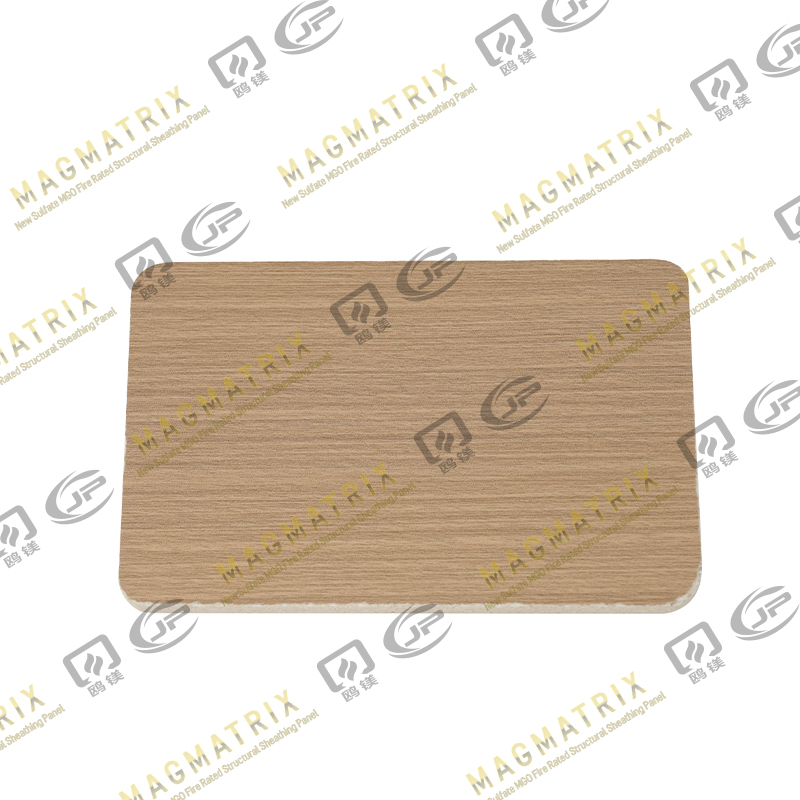
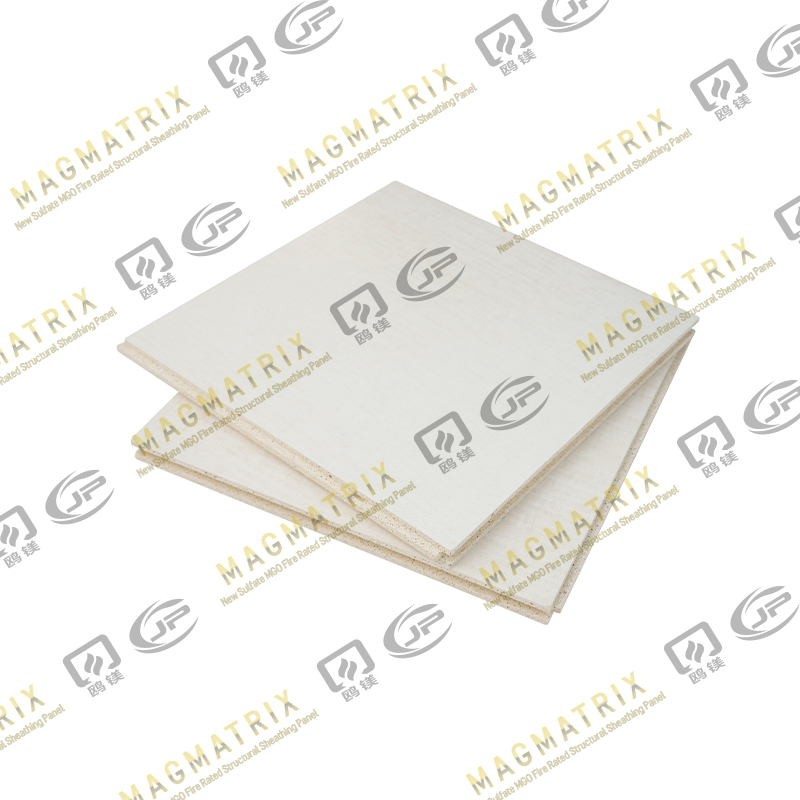
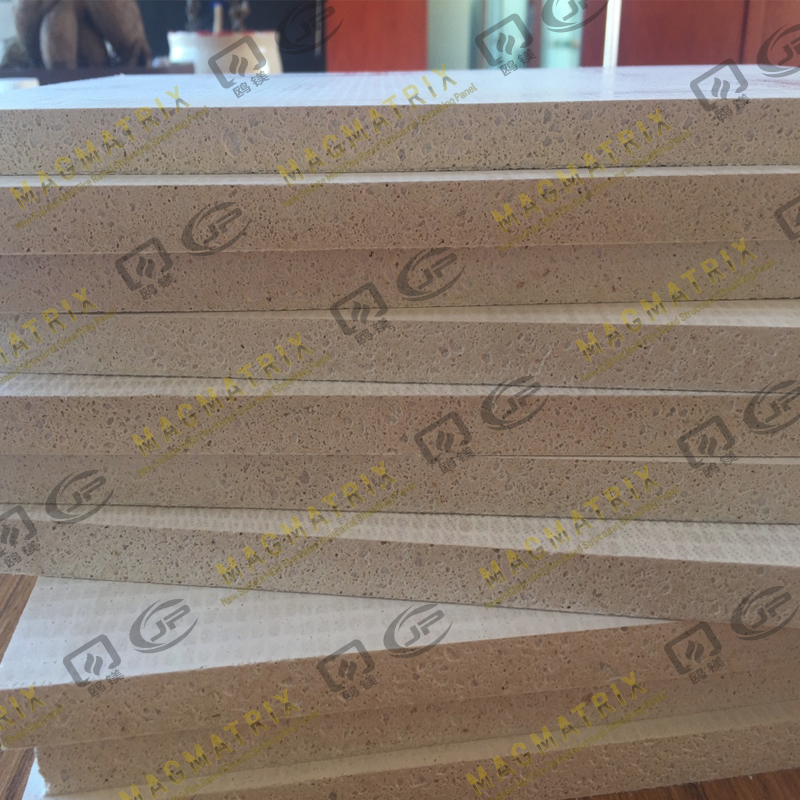 BMSC 517 คณะกรรมการใหม่ซัลเฟตใหม่
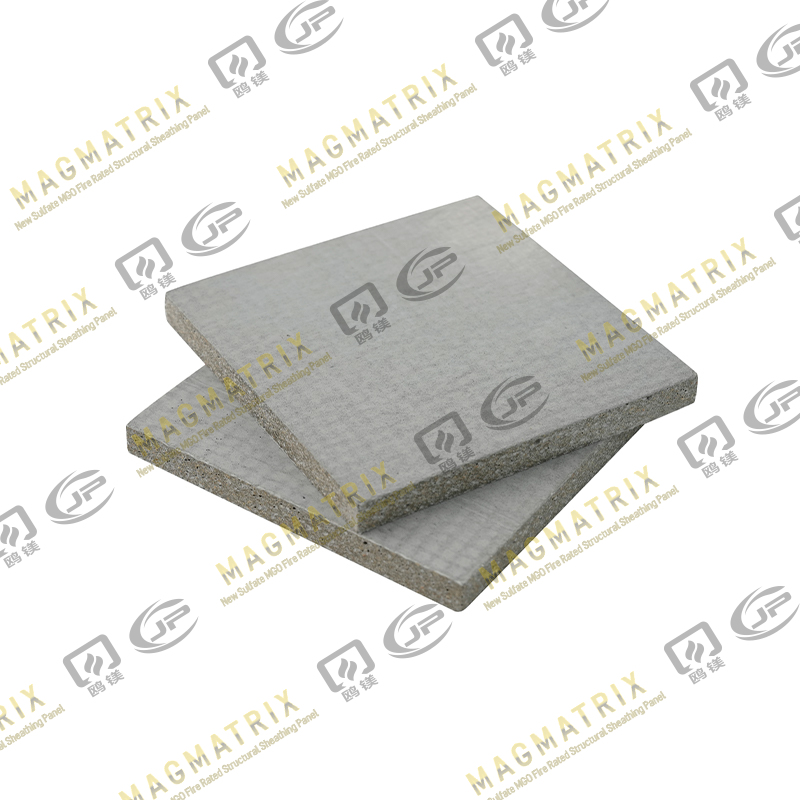 บอร์ดฝักผนัง MgO ที่รองรับ
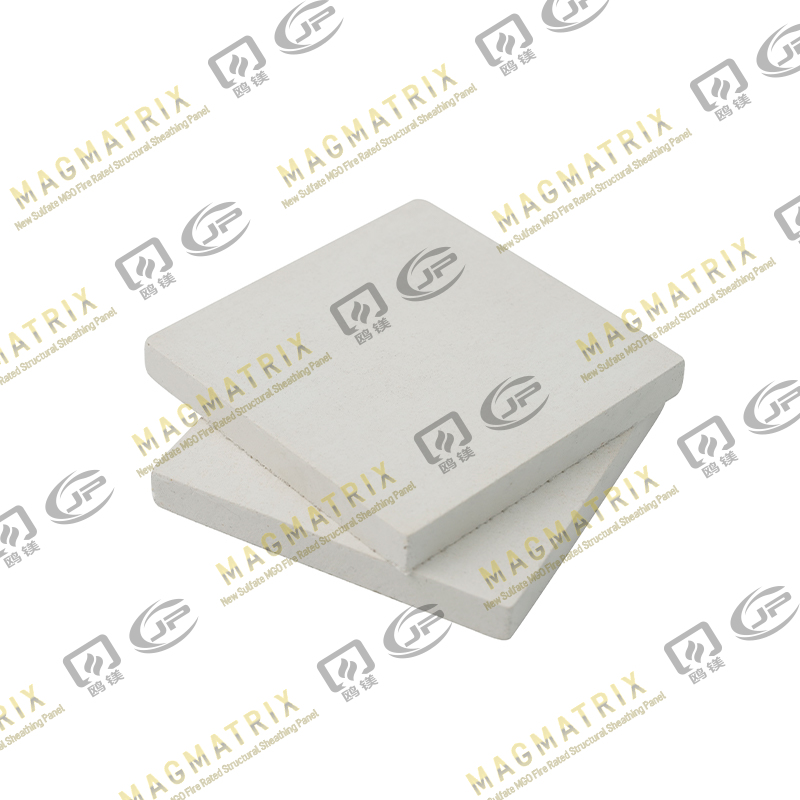 แผงลอย MGO ผนังปลอกหุ้ม
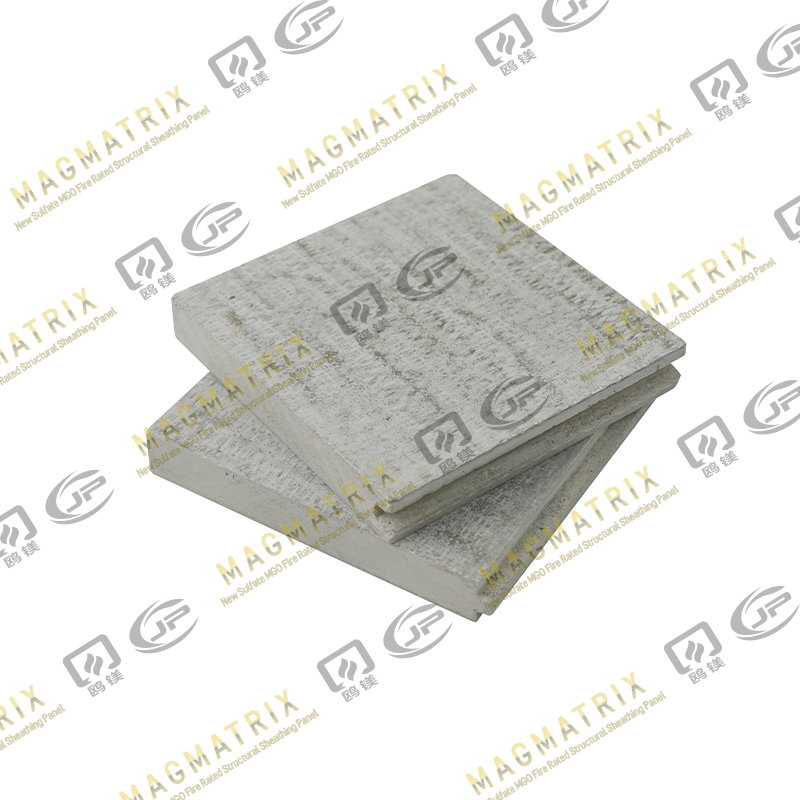 กระดานฝักย่อย MGO Subfloor MGO
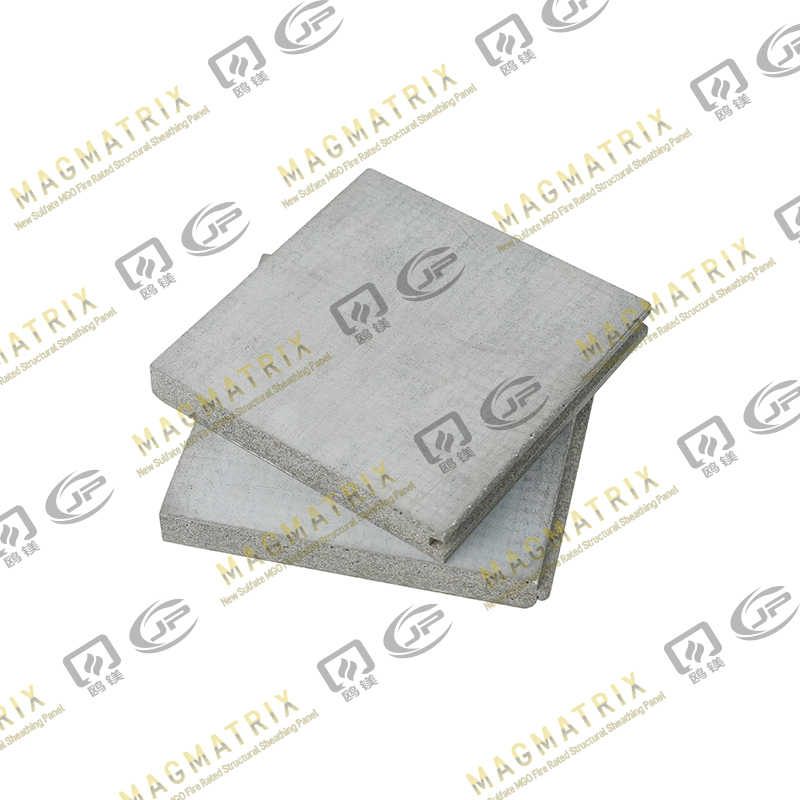 ความเพียร MGO Subfloor Sheathing Board
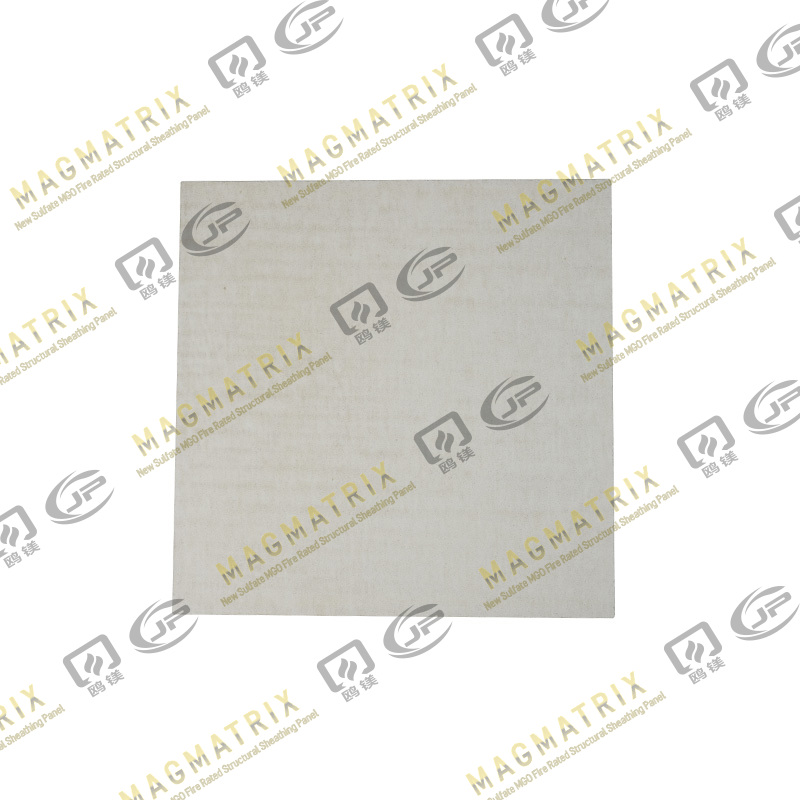 Magmatrix MGO underlayment Panel/Board